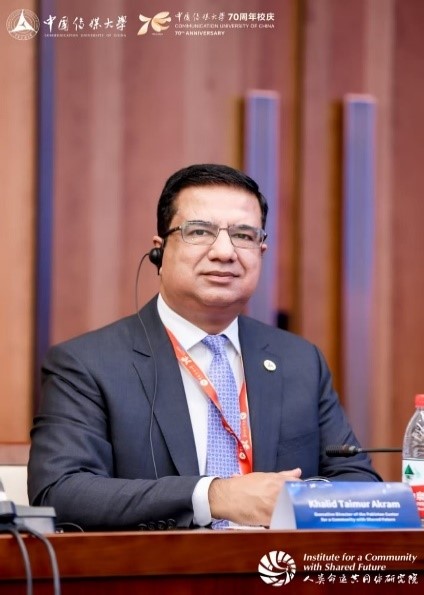
Written by Mr. Khalid Taimur Akram is the Executive Director, Pakistan Research Center for a Community with Shared Future (PRCCSF).
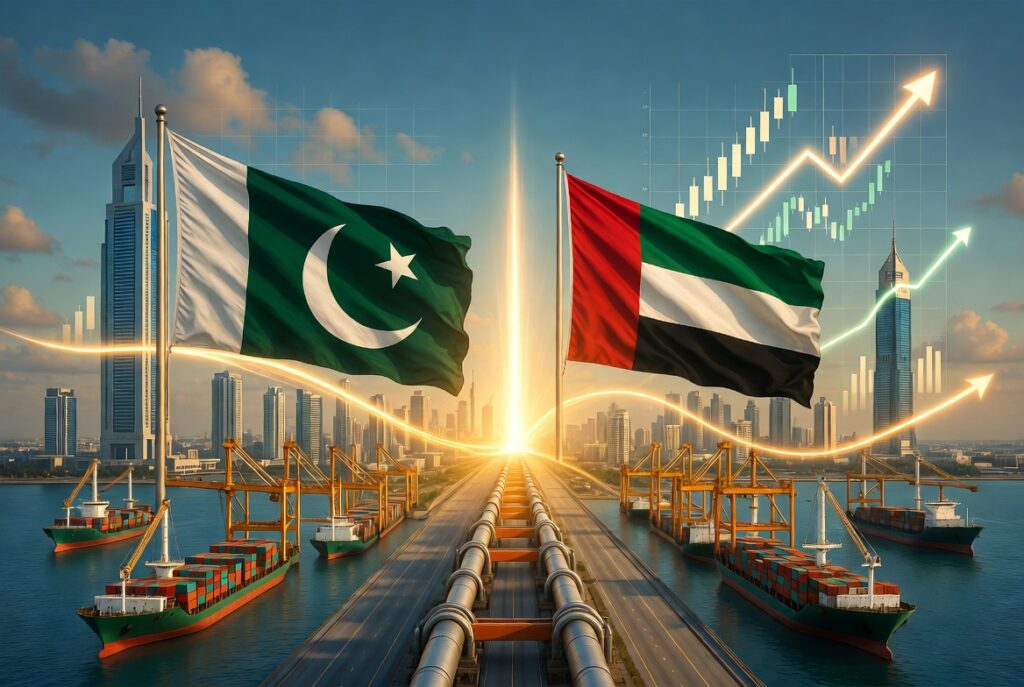
Pakistan and the United Arab Emirates (UAE) share a deep bond having its roots in historical, economic, cultural, and religious ties. Across the Muslim world, these 2 nations enjoy one of the most stable and friendly partnerships. This decades old friendship is not only diplomatic in nature, it is built on commonality of faith, interests, commercial linkages, and respect for each other. History has always seen them both standing by each other through thick and thin. In fact, Pakistan was the first state to recognize UAE as an independent state and since then this bond is getting stronger. Both the states have advanced cooperation in politics, defense, trade, and people-to-people connections. While the Pakistan-UAE formal diplomatic relations are decades old but the cultural, social, and historical connection dates back to the 5,000-year-old Harappa civilization of Indus Valley.
This strong brotherhood owes much to the visionary leadership of the UAE. At the time of independence of UAE in 1971, Sheikh Zayed bin Sultan Al Nahyan laid the foundation of this brotherhood. After him, during the reign of Sheikh Khalifa bin Zayed Al Nahyan, Pakistan-UAE relations were characterized by a strategic, strong, and enduring partnership. Similarly, since Sheikh Mohammed bin Zayed Al Nahyan has assumed the power, he has transformed this purely diplomatic ties into deep economic partnership. His leadership has taken the relations to new heights.
Historical Friendship and Mutual Trust
Pakistan was the first country to extend recognition to the UAE. Since then, both countries have worked to turn this bond into a time-tested friendship. UAE has always supported Pakistan on key issues. Similarly, over the years, we have seen frequent exchanges of high-level visits, regular bilateral consultations, people to people exchanges, and the way both states laid down the foundations of friendship. These exchanges whether it be people to people exchange or the meetings between leaders, they have further strengthened the bond. Sheikh Mohammed bin Zayed has repeatedly highlighted the “historical relations” between the two countries and appreciated the contributions of the Pakistani community in the UAE’s development. As of recent estimates, over 1.5 million Pakistanis are inhabited in the UAE, constituting 12.5% of the country’s total population. Pakistanis are the 2nd largest group in the UAE after Indians. Many of them are working in various sectors including construction, retail, healthcare, and hospitality. This vibrant expatriate community plays a vital role in the economic dynamics of both countries and strengthen the cultural and social ties also.
Right from the beginning, UAE has extended generous humanitarian assistance, support for improved healthcare facilities, and better education to Pakistan whenever it required. Sheikh Zayed Hospital, Sheikh Zayed Medical College, Rahim Yar khan and Sheikh Zayed International Airport, also in Rahim Yar Khan are the earliest symbols of friendship and fraternity between the two countries.
An interesting fact about Pakistan-UAE relations is that these ties are not limited to governments alone, they go beyond formal meetings of officials. People from both countries share close connections which make the partnership very unique.
Economic Cooperation and Social Development
Pakistan-UAE economic ties are very strong and they are continuously expanding. The UAE is Pakistan’s largest trading partner in Middle East and a major source of investment also. Over the past two decades, the UAE has invested more than $10 billion in Pakistan, according to the Gulf state’s foreign ministry. Pakistani policymakers view the UAE as an ideal export market due to its geographic proximity, which helps reduce transportation costs and facilitates trade. Moreover, the UAE has been investing in Pakistan’s key sectors like oil and gas, telecommunications, real estate, aviation, banking and energy. All these sectors constitute the backbone of economic stability in Pakistan. Etihad Airways, Emirates, Emaar, Dubai Islamic Bank and others have their branches in Pakistan that serve as the living examples of Pakistan-UAE growing economic relations. Even in the recent past, both nations have signed agreements worth billions of dollars to expand cooperation in railways, economic zones, infrastructure, and other such areas.
Similarly, UAE can be seen helping Pakistan through different programs and assistance. Shen 2005 earthquake hit Pakistan, the biggest help was from the UAE. The UAE Pakistan Assistance Program (UAE-PAP) was launched in January 2011 at a total cost of 450 million USD for the reconstruction of infrastructure damaged by devastating floods and natural calamities in Khyber Pakhtunkhwa province, Bajaur and South Waziristan districts of the tribal belt to provide better life to the people by creating jobs. In May 2018, the UAE channeled $200 million into the UAE-PAP. UAE played an important role in the formation of Friends of Democratic Pakistan (FoDP). During the COVID-19 pandemic, the UAE started free testing of Pakistanis residing in the Emirates. The UAE also has a long cricket relationship with Pakistan, serving as a home ground for the Pakistan cricket team for the past few decades.
The UAE’s leadership has always shown steadfast commitment to Pakistan’s economic and social development. They are always among the first ones to extend help whenever Pakistan goes through any challenging situation or crisis. These investments and initiatives are not just financial contributions; they are the reflection of UAE’s trust in Pakistan’s potential and future.
Strategic and Diplomatic Partnership
In addition to economic development, both states are also cooperating in military, diplomacy, and strategic affairs. Joint military exercises and intelligence sharing have helped both countries address regional challenges including counterterrorism efforts. At the same time, the active engagement of both countries’ leadership and the joint commissions make sure that both remained aligned on global issues.
Pakistan’s role in strengthening the military and defence capabilities of the Gulf countries, particularly the UAE are undeniable. Pakistan has been providing military assistance to UAE even before its formation. This cooperation began in 1968 when Sheikh Zayed bin Sultan Al Nahyan requested military support from Ayub Khan. At that time, Pakistan provided troops, training, advisory support, and modern military equipment to help build the UAE’s armed forces. Then, both countries signed multiple defence agreements in 1970s, 1994, and 2006 to further reinforce these relations. Pakistani military personnel served in key positions within the UAE forces, trained officers at institutions like Command and Staff College Quetta, and even helped establish specialized training schools. The UAE also purchased weapons from Pakistan and showed interest in advanced equipment like Al-Khalid tanks. Overall, this long-standing partnership significantly contributed to the UAE’s military development and UAE has always supported and appreciated Pakistan for its role in defence cooperation that only benefits these two but the wider region also.
Furthermore, the Pakistan-UAE relations are evolving with the passage of time. The establishment of joint task forces, agreements on artificial intelligence, and cooperation in the digital economy are the few examples. It symbolizes that the leaderships of both states are not only thinking about present but they are getting prepared for the future also.
Leadership of Sheikh Mohammed bin Zayed
The visionary leadership of the UAE, from Sheikh Zayed bin Sultan Al Nahyan to Sheikh Khalifa bin Zayed Al Nahyan, and now Sheikh Mohammed bin Zayed Al Nahyan, has been central to shaping the enduring partnership with Pakistan. Sheikh Zayed’s foresight laid the foundation of a relationship built on trust, mutual respect, and shared values. His commitment to humanitarian support, infrastructure development, and social welfare in Pakistan set a remarkable precedent, illustrating that leadership is not just about governance but also about fostering lasting friendships beyond borders. Under Sheikh Khalifa, the bilateral ties matured into a strategic partnership marked by consistent diplomatic engagement, defense cooperation, and economic collaboration.
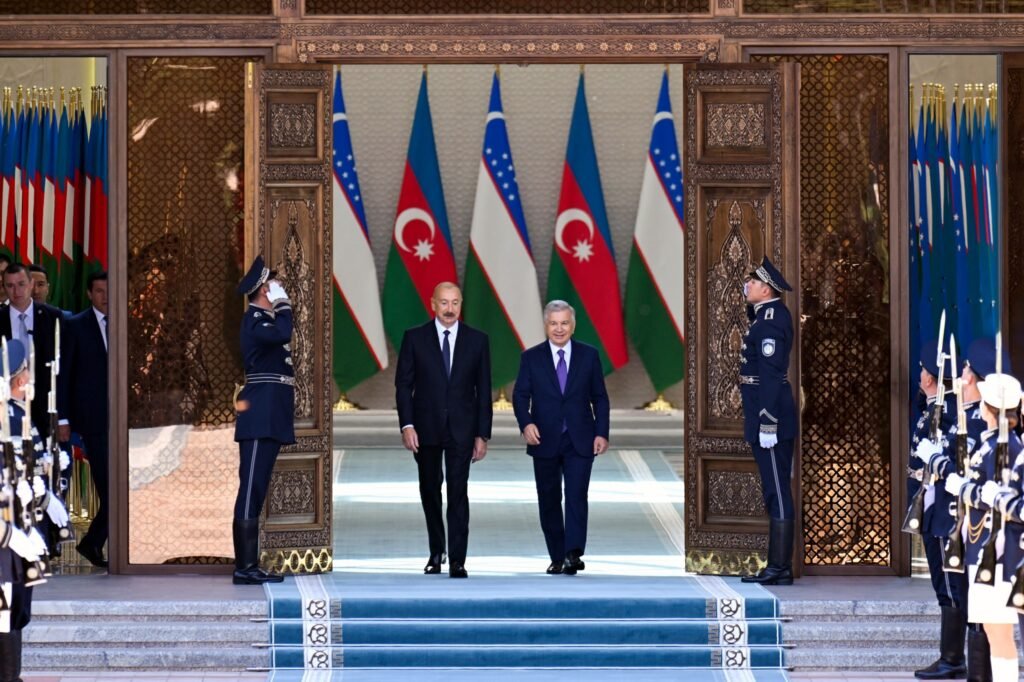
Sheikh Mohammed bin Zayed’s leadership has taken this relationship to unprecedented heights, transforming a historically diplomatic connection into a dynamic, multi-dimensional partnership. His strategic vision emphasizes innovation, economic diversification, and regional stability, while maintaining deep cultural and social bonds with Pakistan. By personally welcoming Pakistani leaders, supporting Pakistan during times of crisis, and promoting investment in key sectors, Sheikh Mohammed bin Zayed has reinforced the UAE’s role as a steadfast and reliable partner. His leadership embodies the principles of foresight, inclusivity, and commitment, ensuring that Pakistan-UAE relations remain not only strong today but are also poised for continued growth and cooperation in the future.
So, Pakistan-UAE relations are more than formal state relations. It is actually a model of friendship, cooperation, and mutual respect. It is an example that how can countries maintain diplomatic relations and historical ties side by side. In advancing this time-tested friendship, Sheikh Mohammed bin Zayed Al Nahyan’s visionary leadership has played a central role and I believe that even in future the countries will continue improving the ties and will take them to new heights.