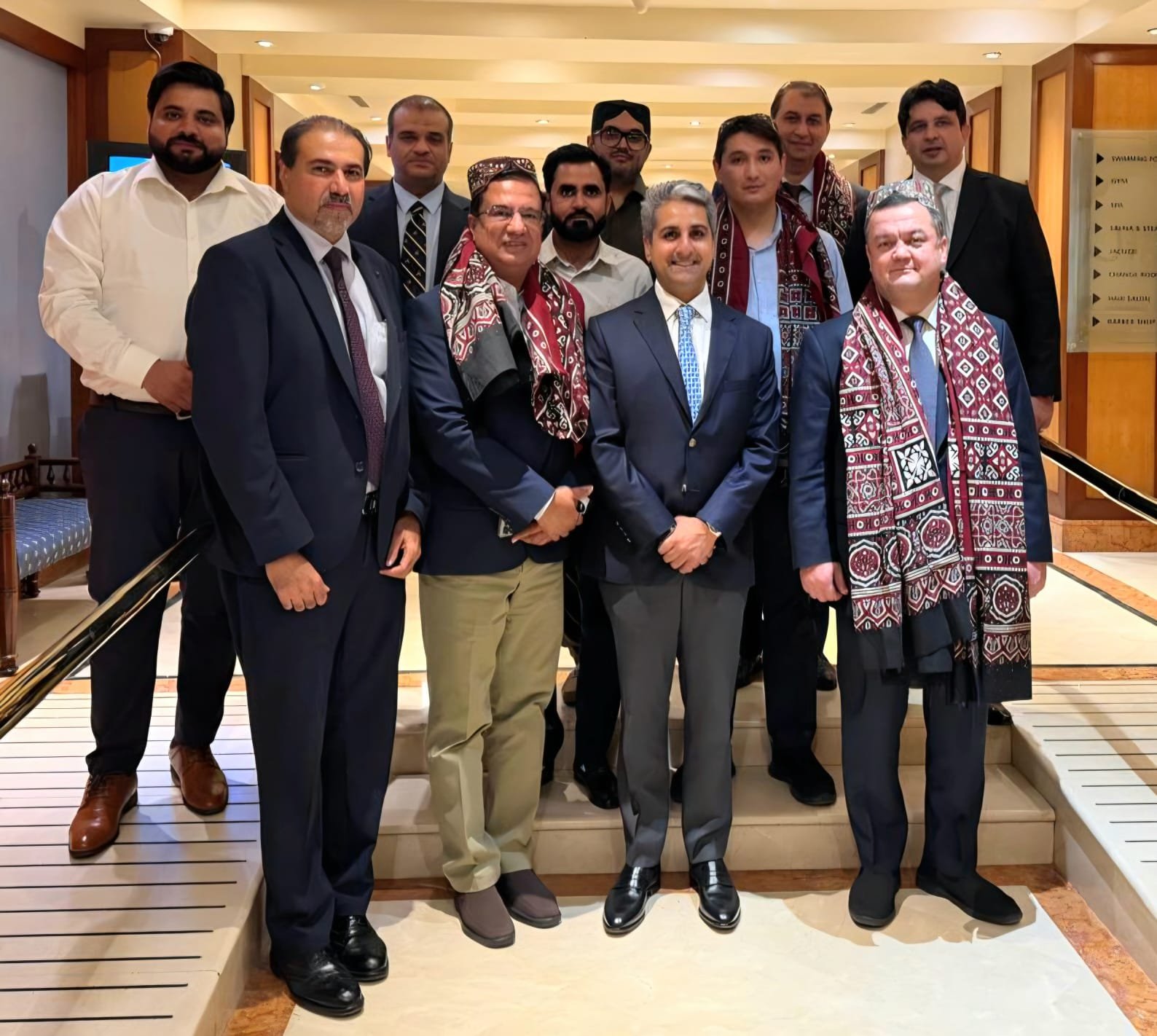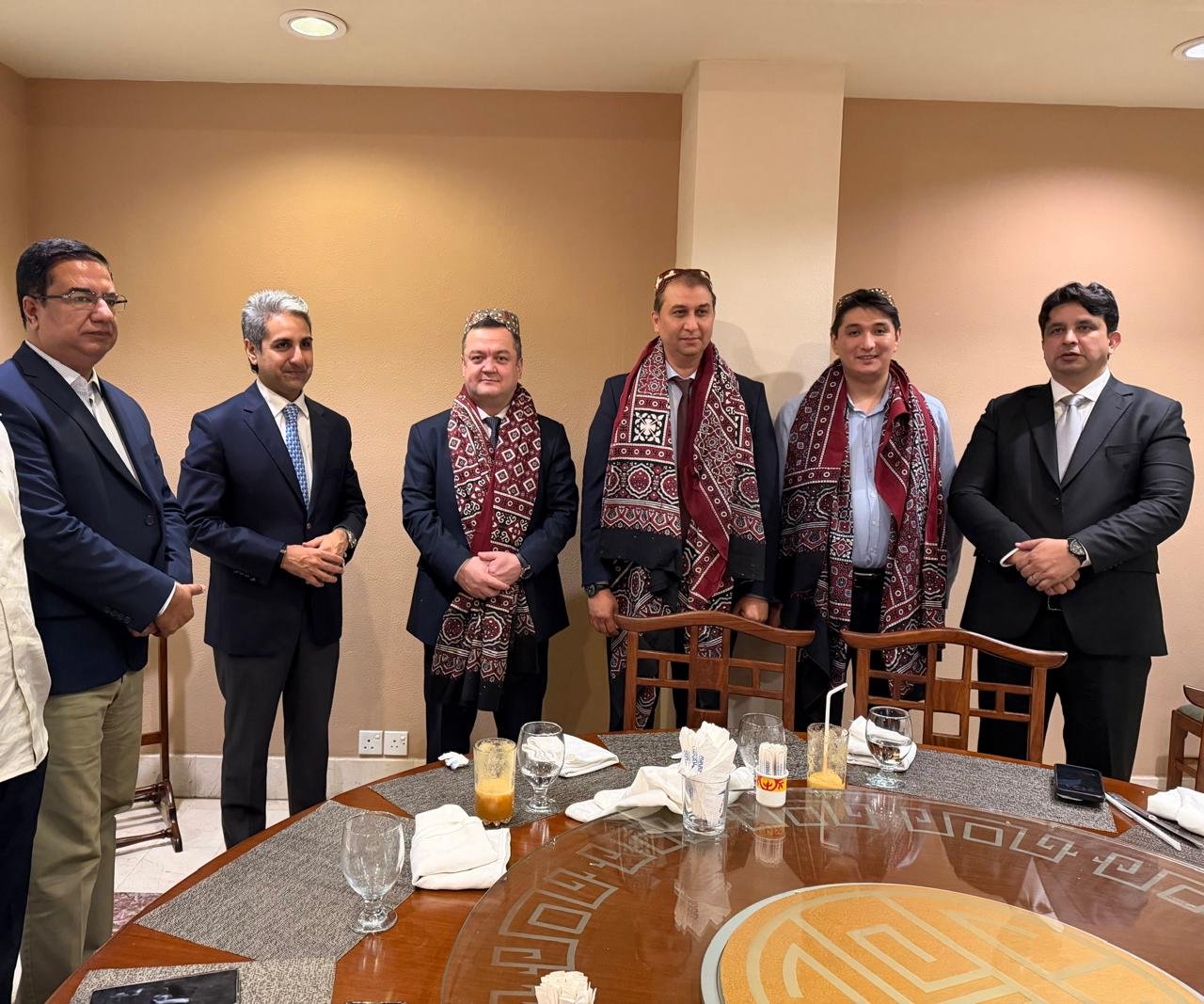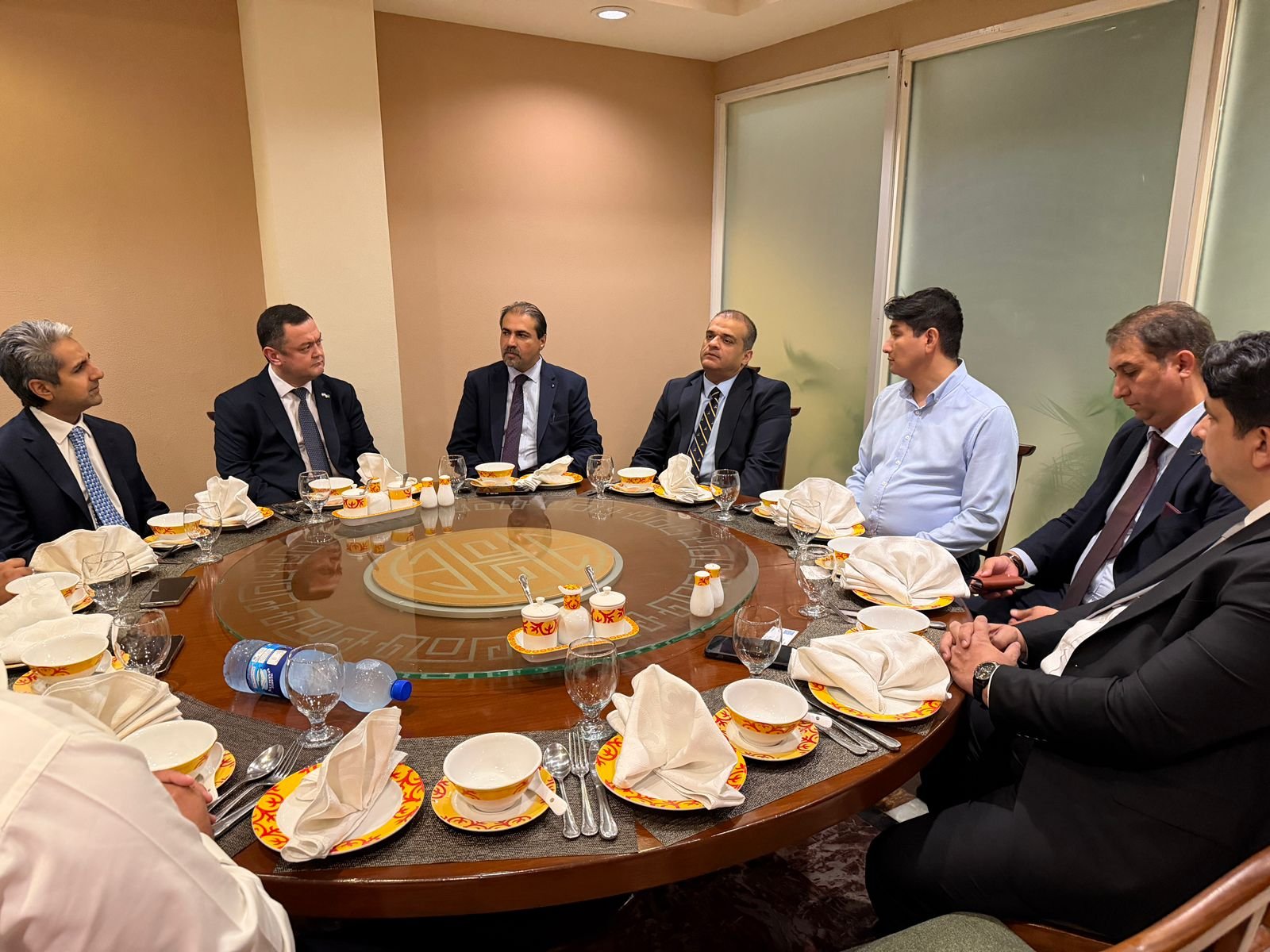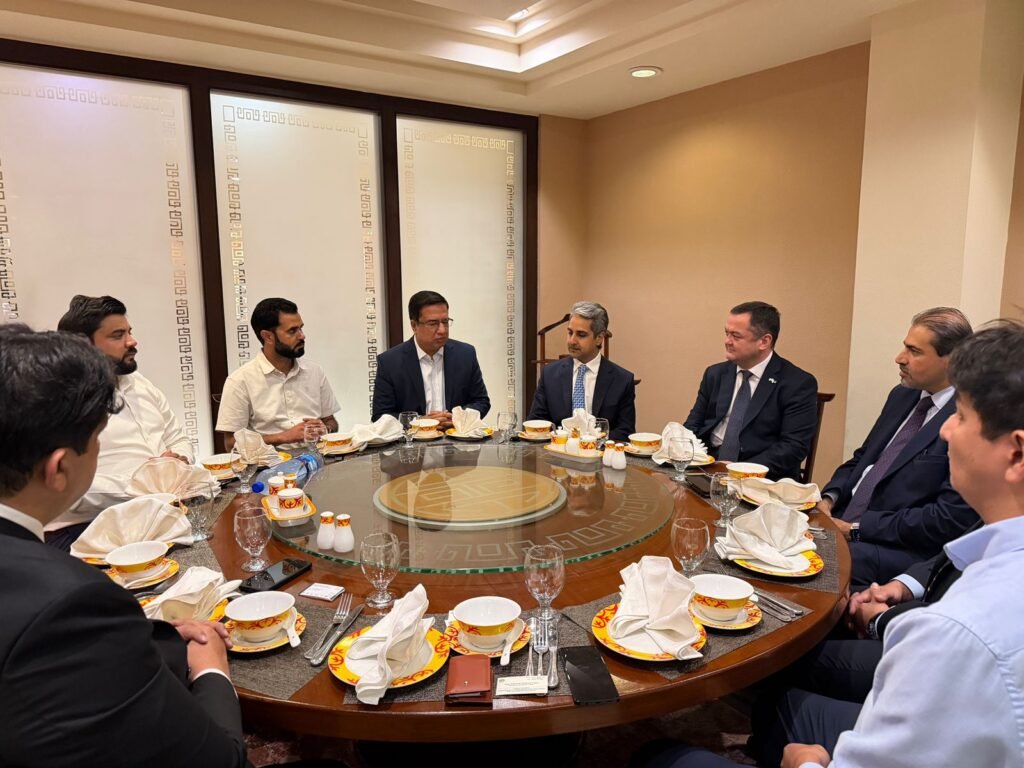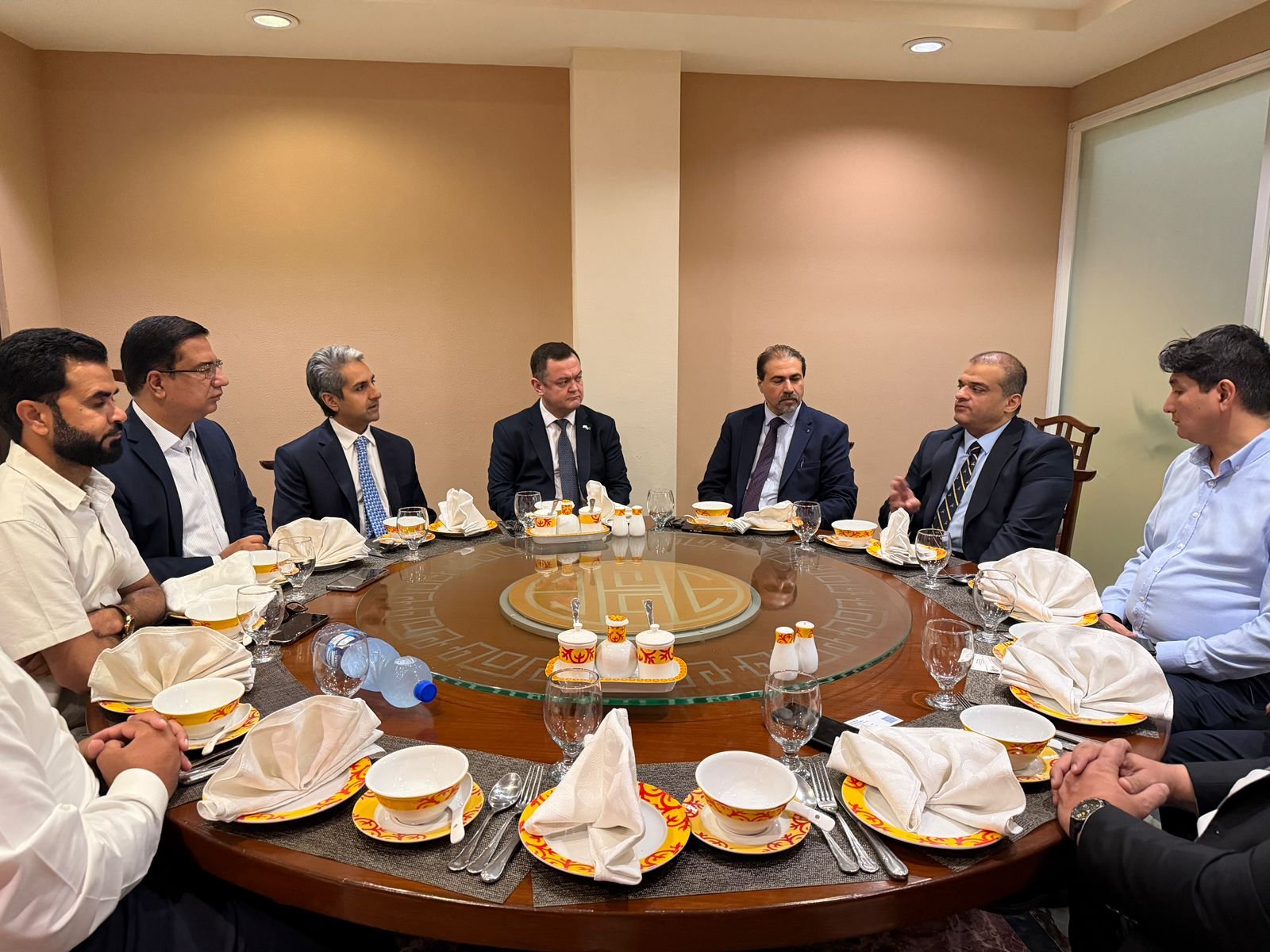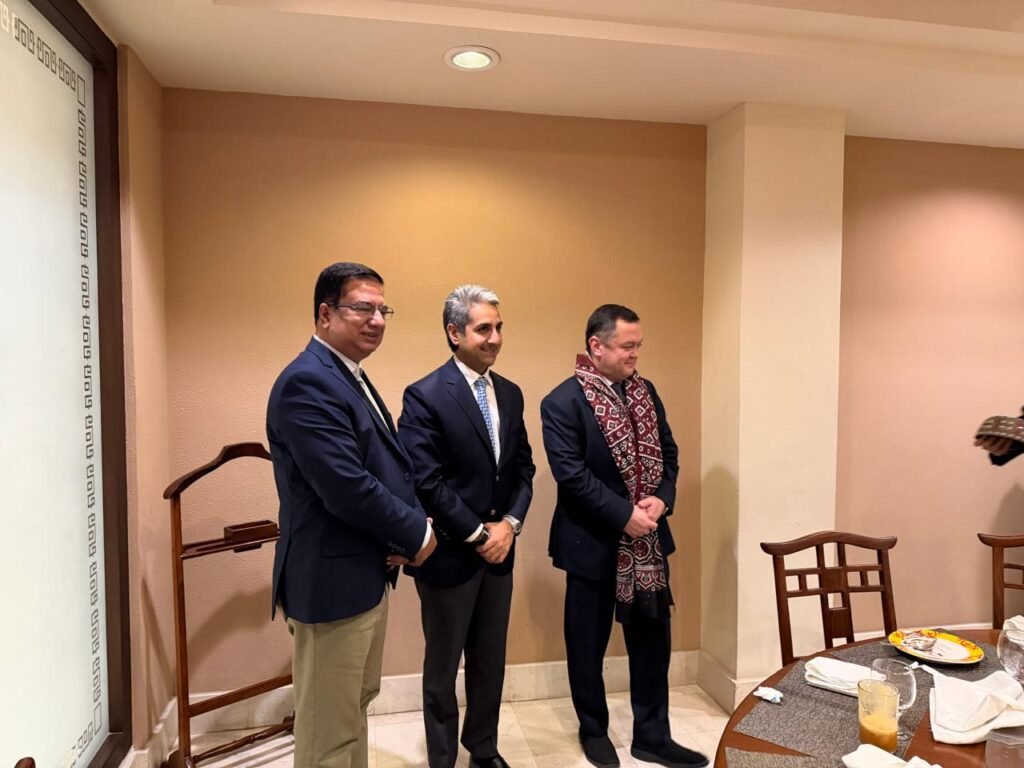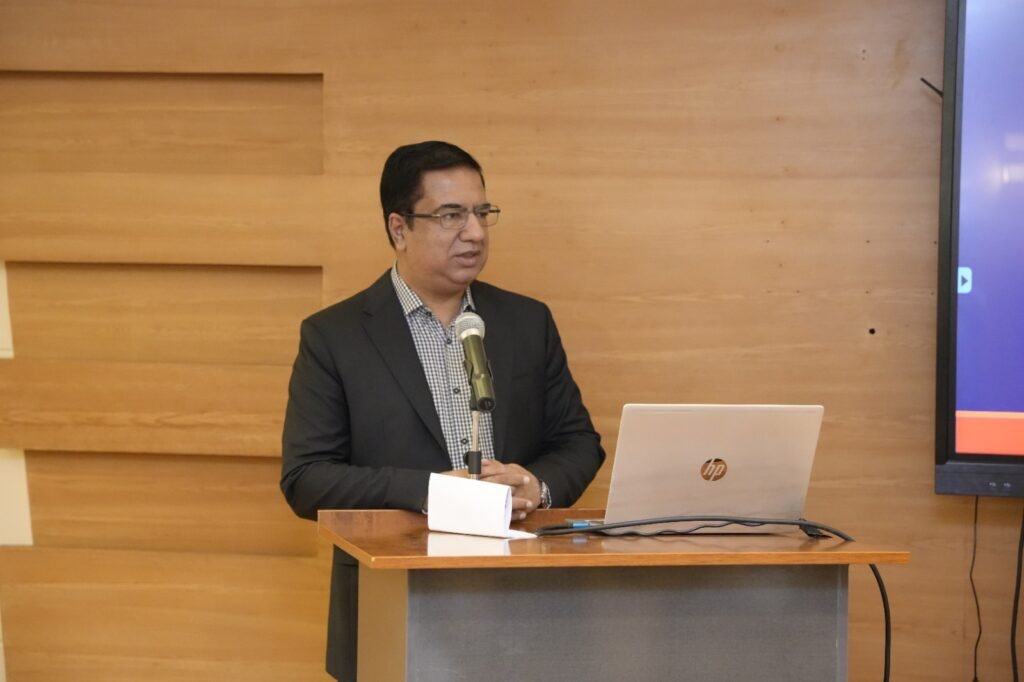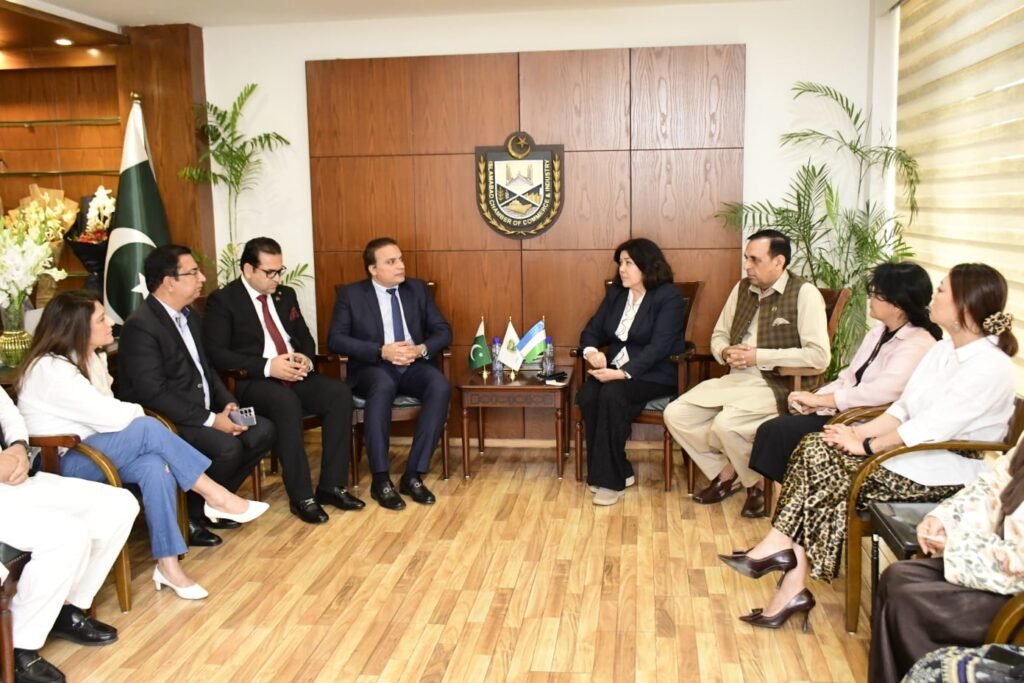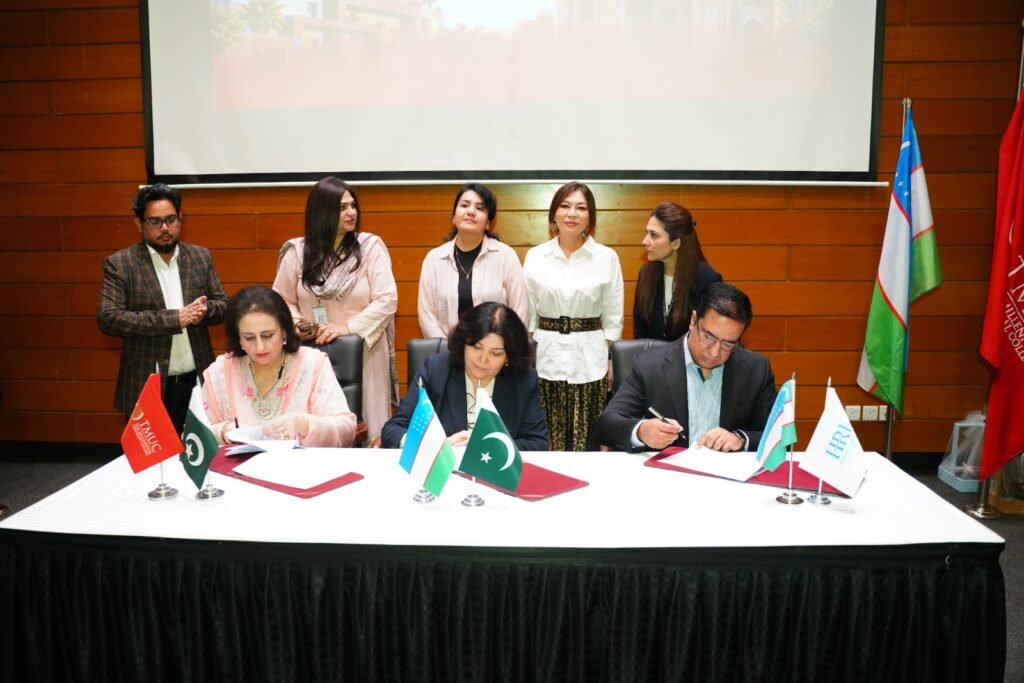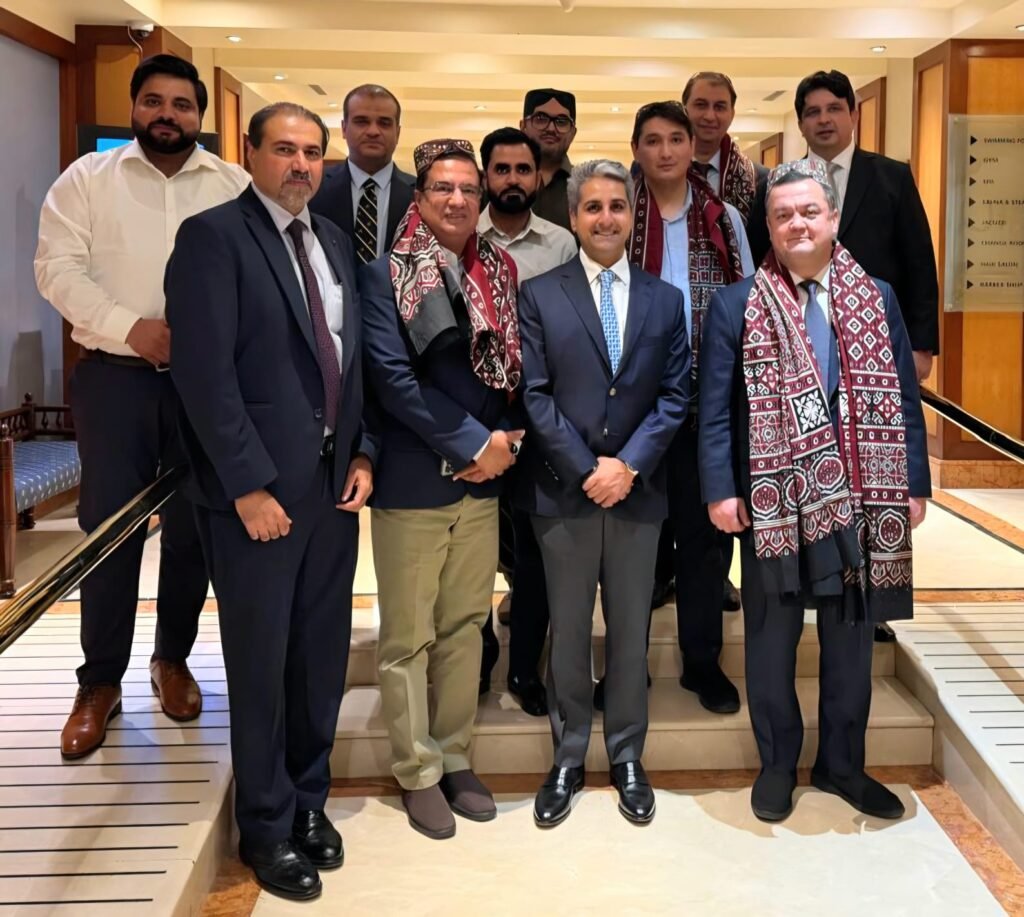
On 2 September 2026, Mr. Khalid Taimur Akram participated in a high-level investment dialogue hosted by Mr. Syed Qasim Naveed Qamar, Special Assistant to the Chief Minister of Sindh on Investment and Public-Private Partnership, in honour of H.E. Alisher Tukhtaev, Ambassador of the Republic of Uzbekistan to Pakistan.
The meeting brought together senior representatives from the public and private sectors, including the management of Habib Rafiq Engineering (Pvt.) Ltd. (HRL), the Sindh Economic Zones Authority (SEZA), financial institutions, and investment stakeholders. Discussions focused on exploring new avenues for economic cooperation between Pakistan and Uzbekistan, with particular emphasis on the development of dedicated Special Industrial Zones in Sindh for Uzbek entrepreneurs and investors.
During the meeting, participants highlighted Uzbekistan’s growing economic significance in Central Asia and its strategic location as a gateway to regional markets. As a landlocked country pursuing ambitious economic reforms and industrial modernization, Uzbekistan continues to seek enhanced connectivity to international trade routes, seaports, logistics networks, and global supply chains. In this context, Pakistan, particularly the province of Sindh and the Port of Karachi ecosystem, presents a unique opportunity to support Uzbekistan’s access to regional and international markets.
The dialogue emphasized that dedicated industrial zones could serve as a platform for Uzbek businesses to establish manufacturing units, processing facilities, warehousing centres, export-oriented industries, and joint ventures with Pakistani partners. Such initiatives would not only facilitate increased trade and investment but also contribute to technology transfer, industrial cooperation, employment generation, and sustainable economic growth in both countries.
Participants noted that the proposed industrial cooperation aligns with the broader vision of strengthening connectivity between Central Asia and South Asia. Enhanced economic engagement between Pakistan and Uzbekistan has the potential to transform existing trade relations into a comprehensive partnership based on industrial development, investment facilitation, infrastructure connectivity, and private-sector collaboration.
A key aspect of the discussion focused on financial connectivity and the importance of creating practical banking mechanisms to facilitate cross-border trade and investment. Mr. Farhan Baig, Chief Operating Officer / Deputy CEO of Bank Makramah Ltd., shared valuable insights on establishing efficient banking channels and financial frameworks that can support bilateral commercial activities, investment flows, and business transactions between the two countries.
Mr. Khalid Taimur Akram highlighted the importance of translating regional connectivity into tangible economic outcomes through industrial partnerships and investment-driven initiatives. He noted that sustainable economic cooperation requires not only infrastructure and logistics but also strong institutional linkages, investor confidence, and innovative financing mechanisms that can support long-term development objectives.
The participants agreed that the opportunity before Pakistan and Uzbekistan extends far beyond a conventional bilateral trade arrangement. It represents the potential creation of a strategic commercial bridge linking Central Asia with the Arabian Sea, opening new pathways for trade, industry, investment, and regional integration.
The meeting concluded with a shared commitment to further explore collaborative opportunities and transform promising ideas into practical, bankable projects and investable platforms. Participants expressed confidence that continued engagement between government institutions, financial organizations, and private-sector stakeholders would contribute to measurable economic outcomes and strengthen the growing partnership between Pakistan and Uzbekistan.
The dialogue reaffirmed the belief that connectivity creates access, capital creates scale, and industrial partnerships create lasting economic value, laying the foundation for a stronger and more prosperous future for both countries.