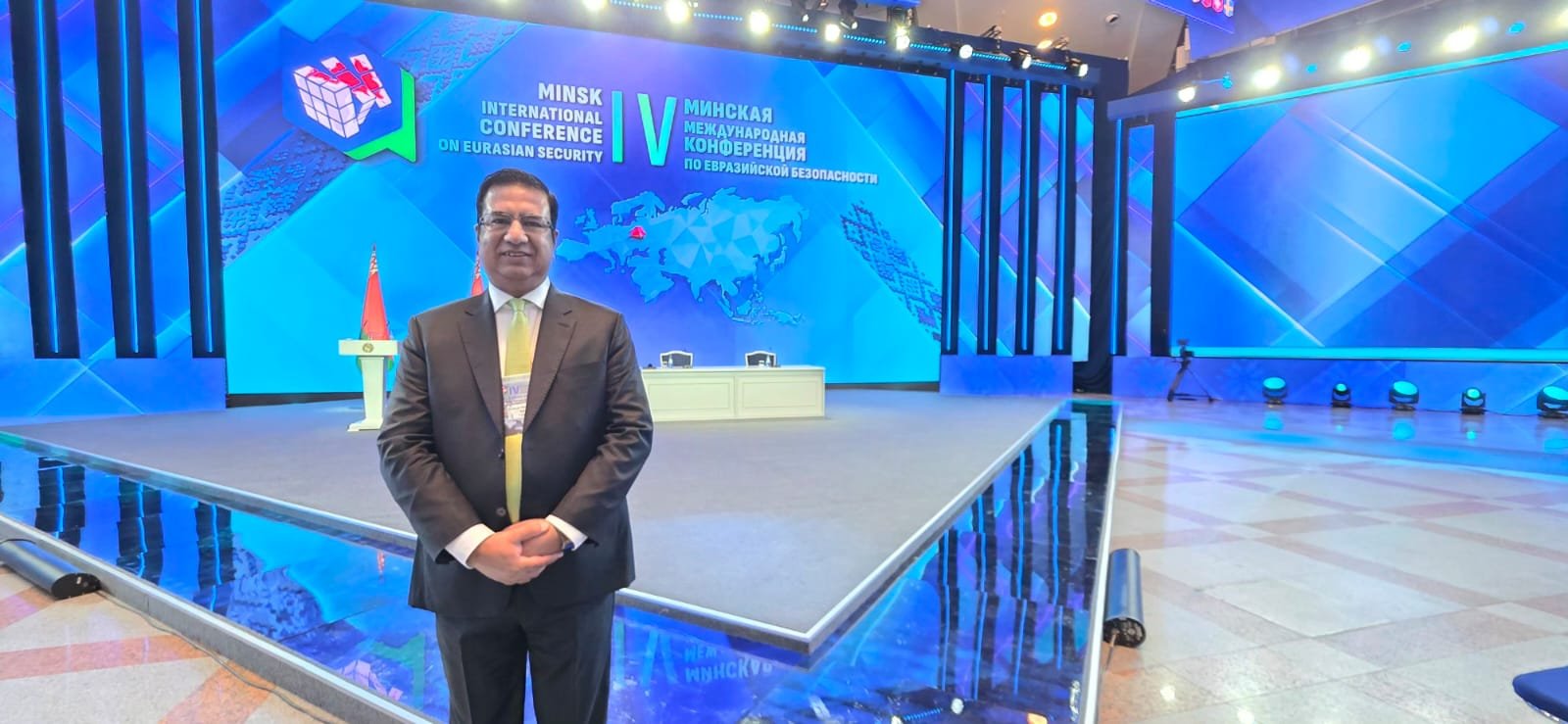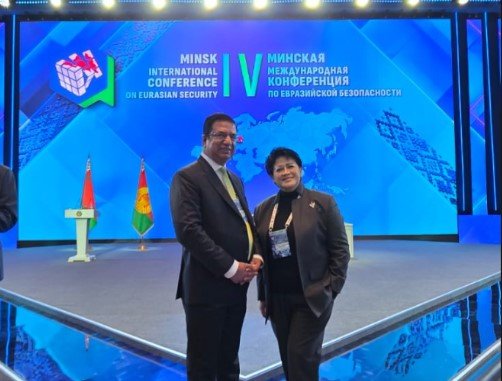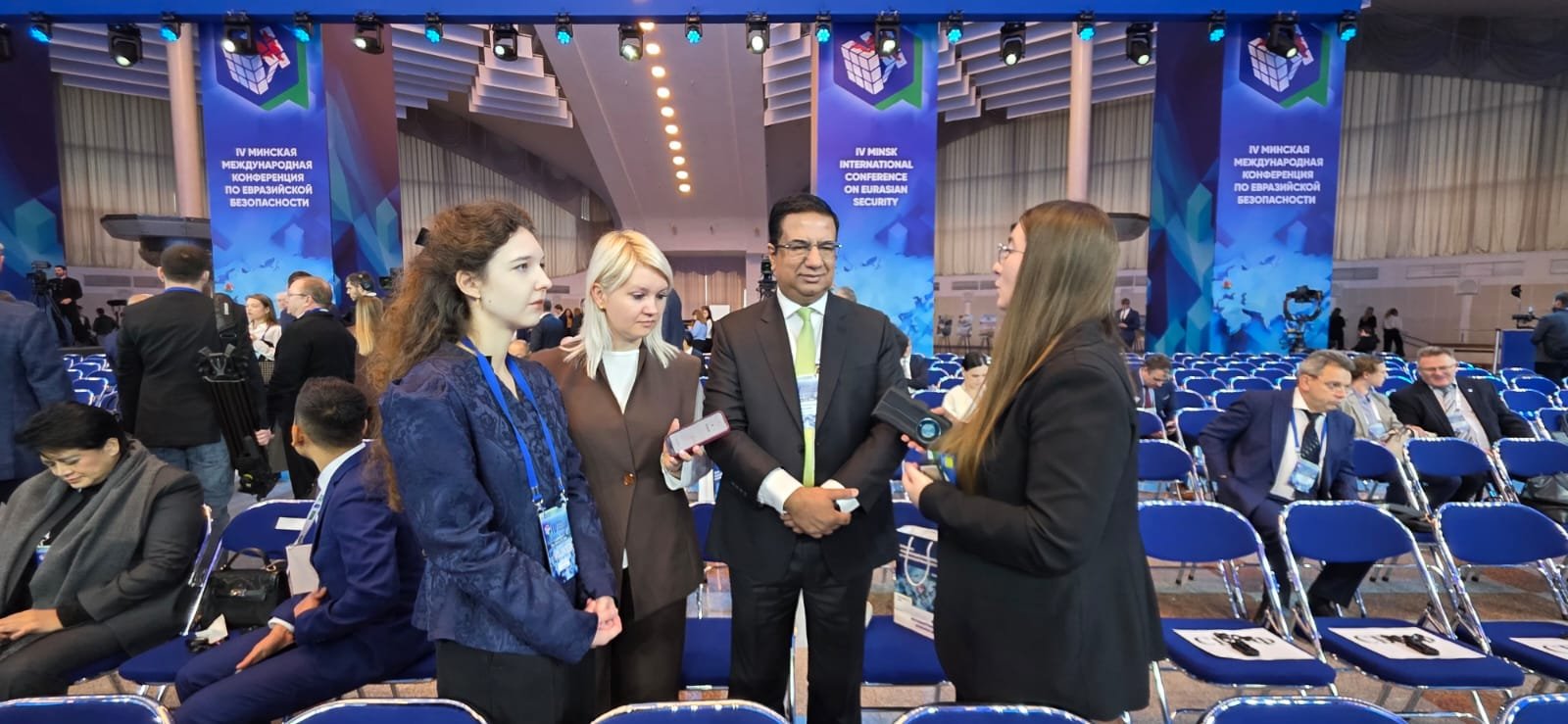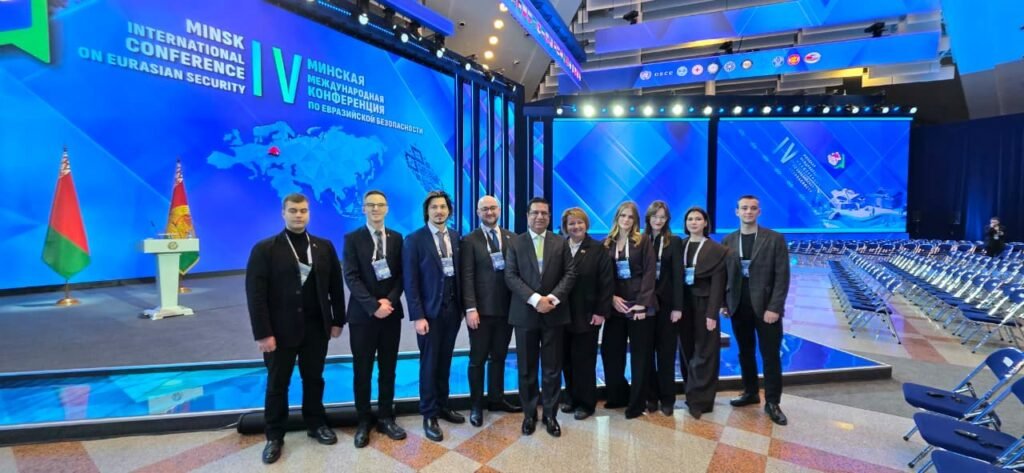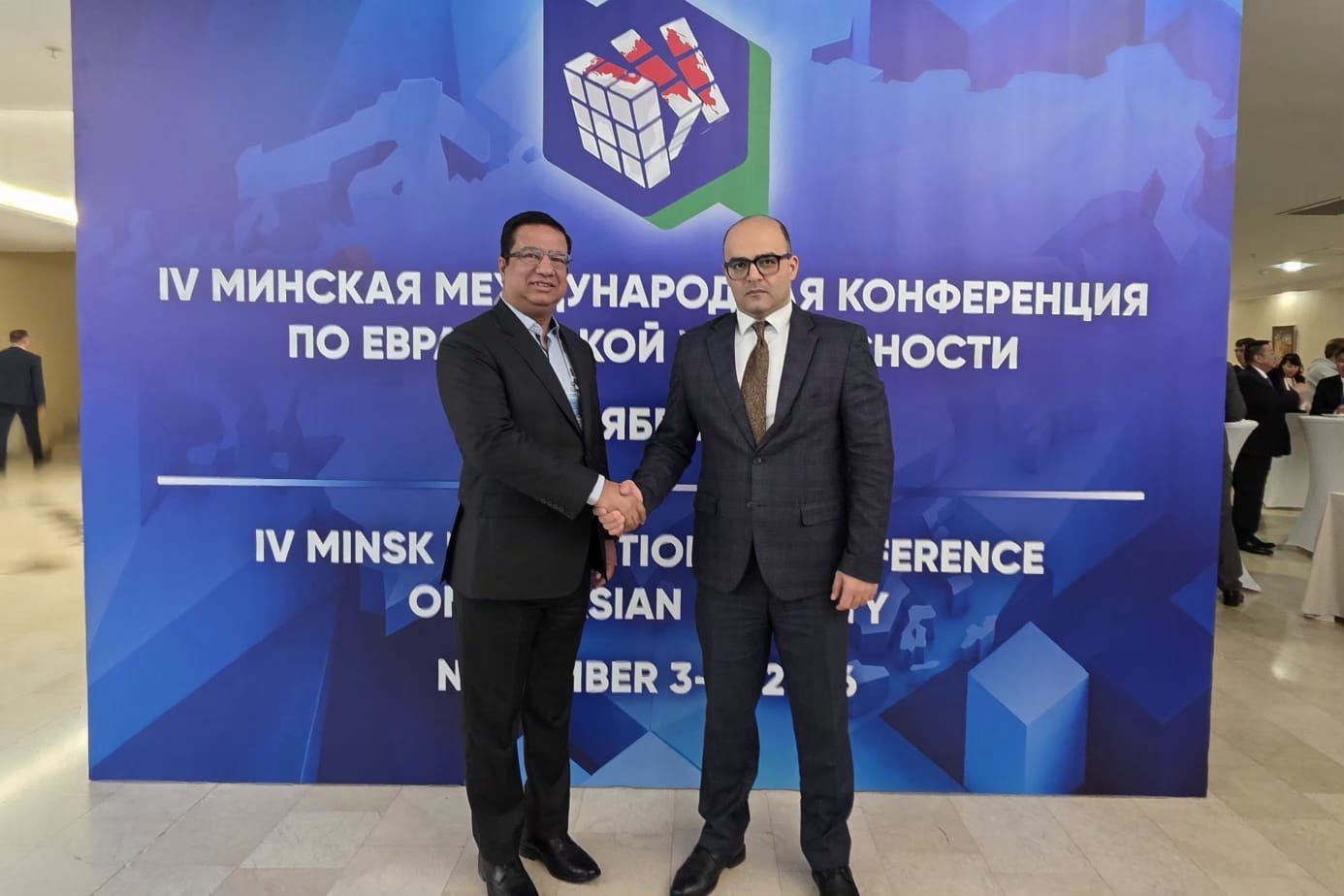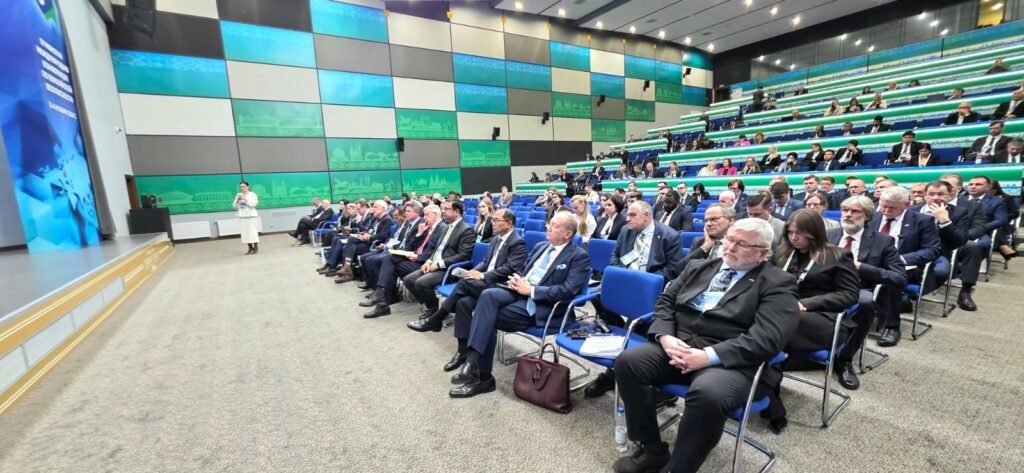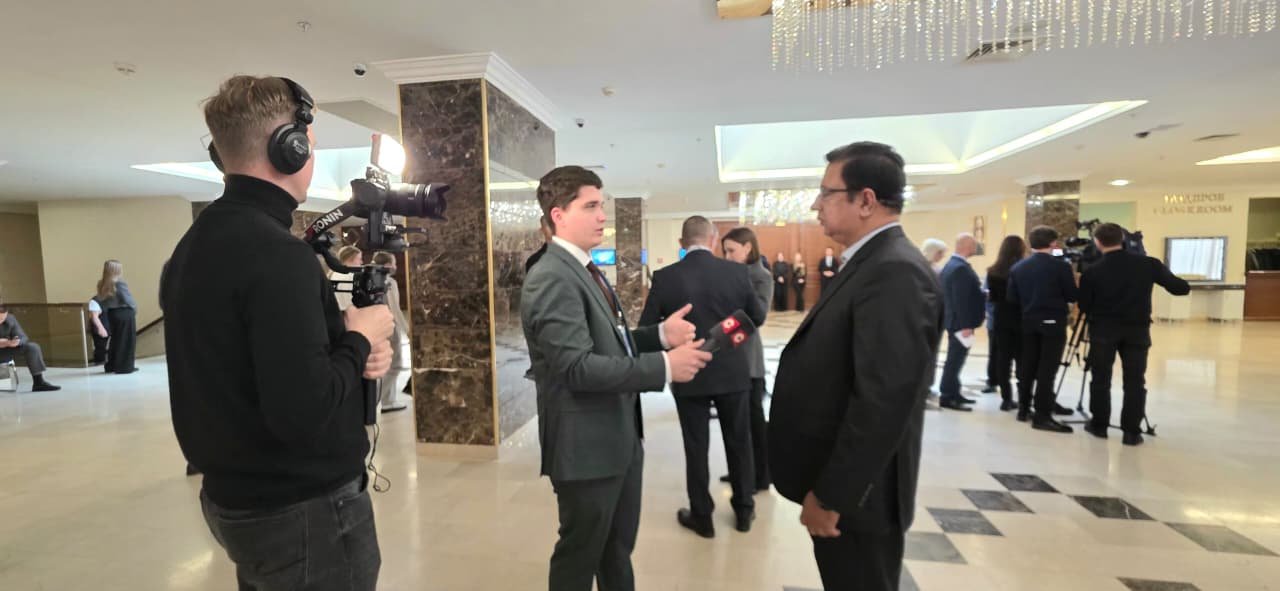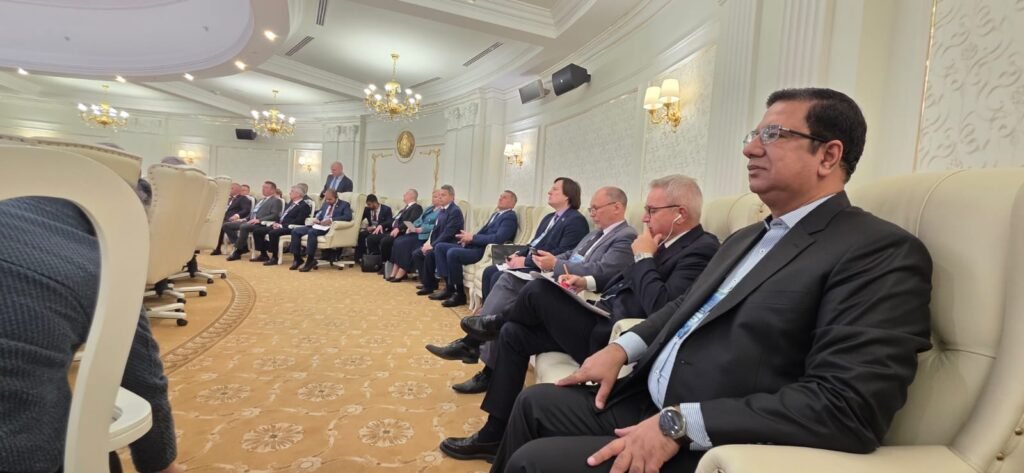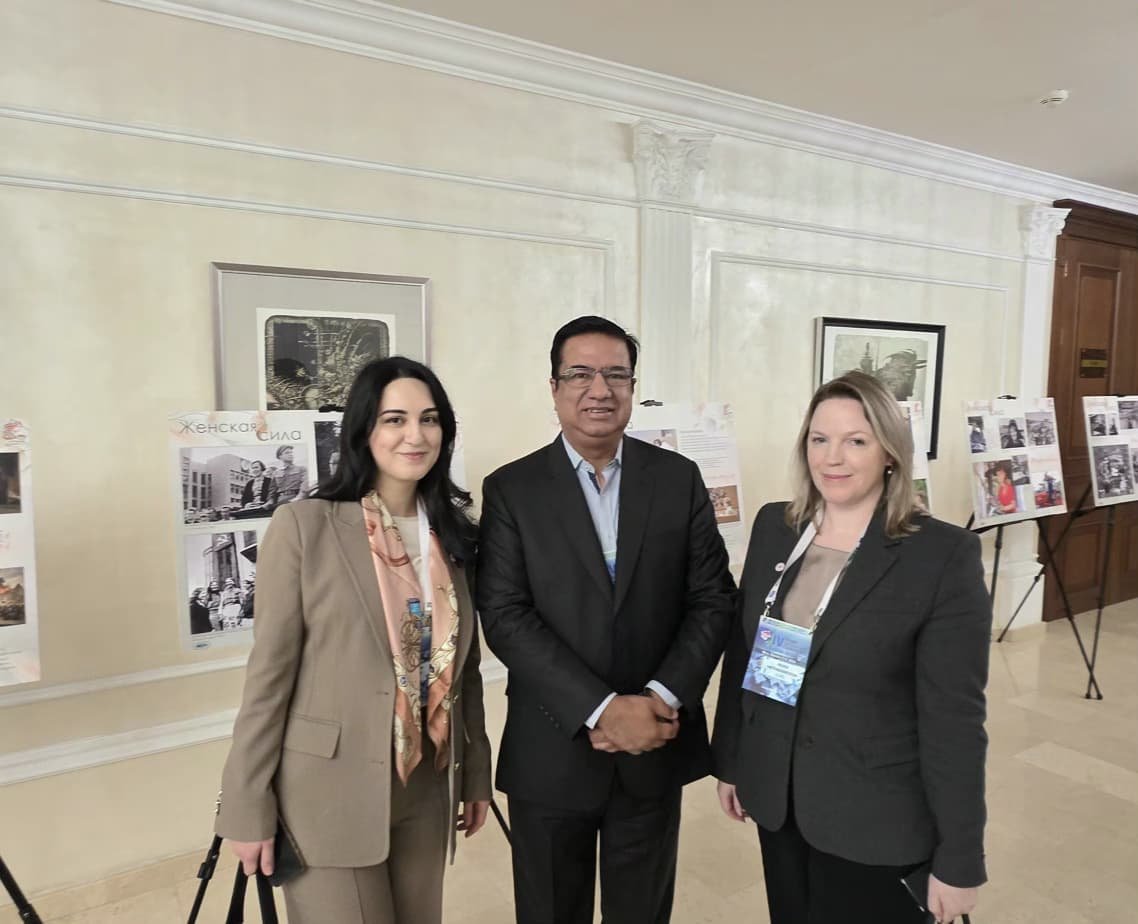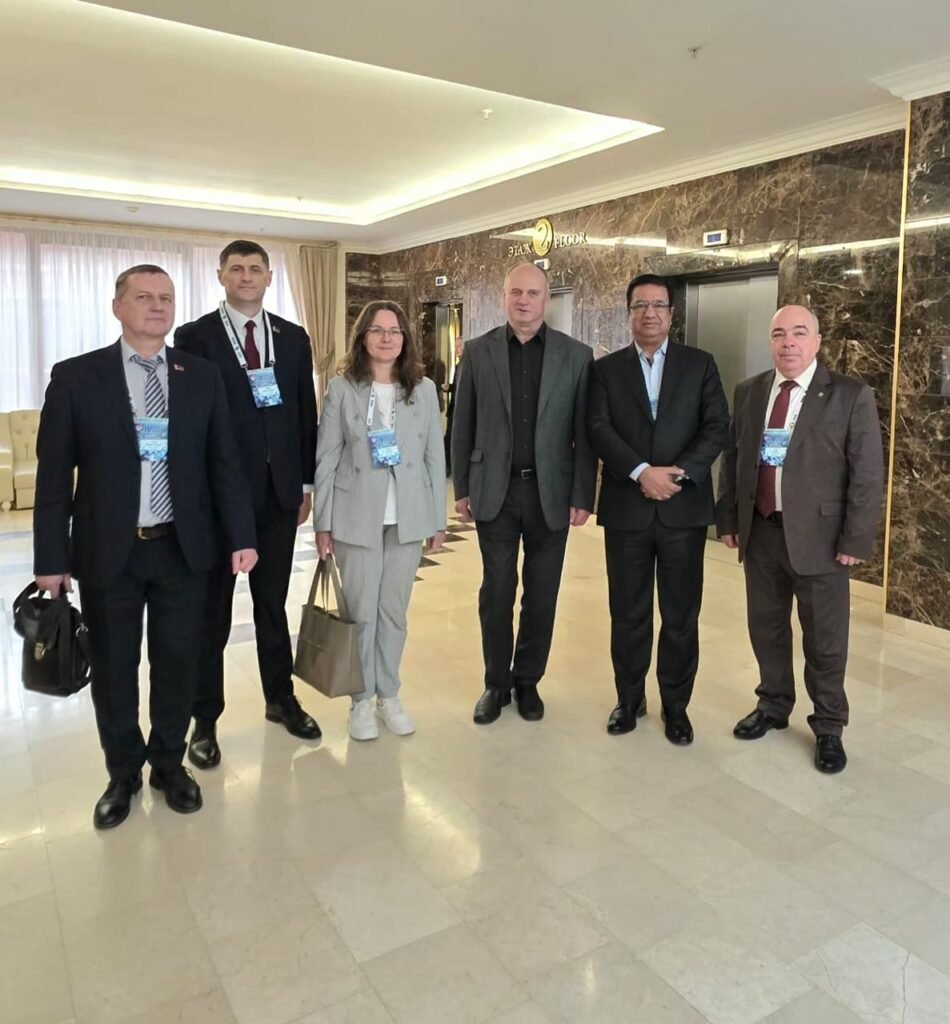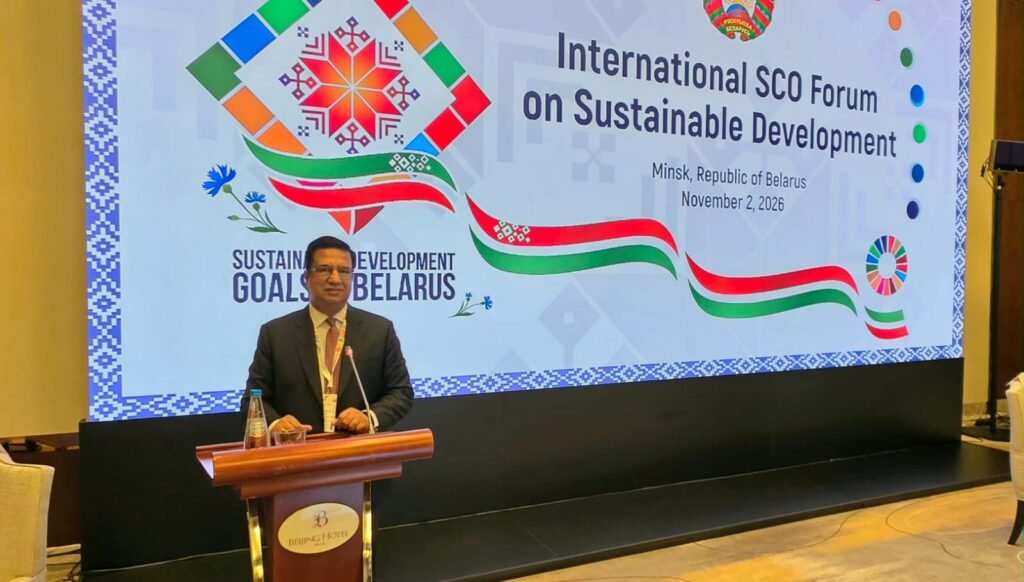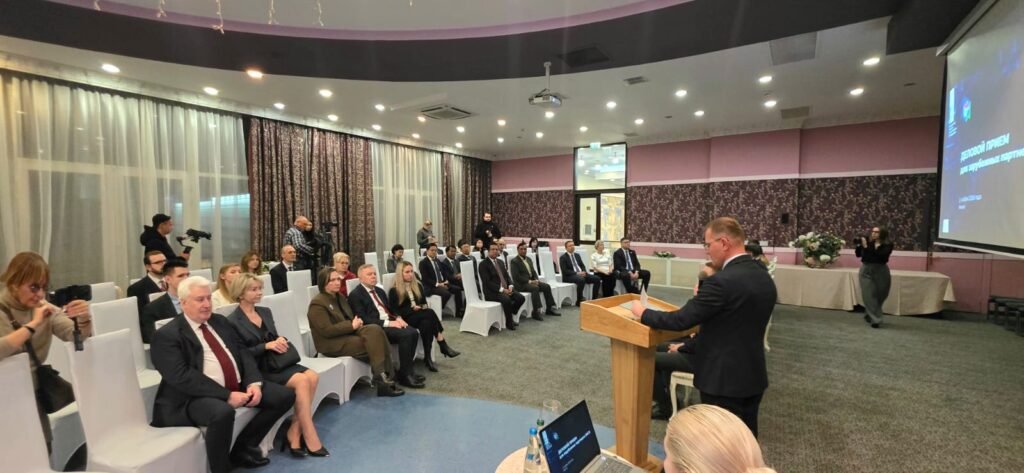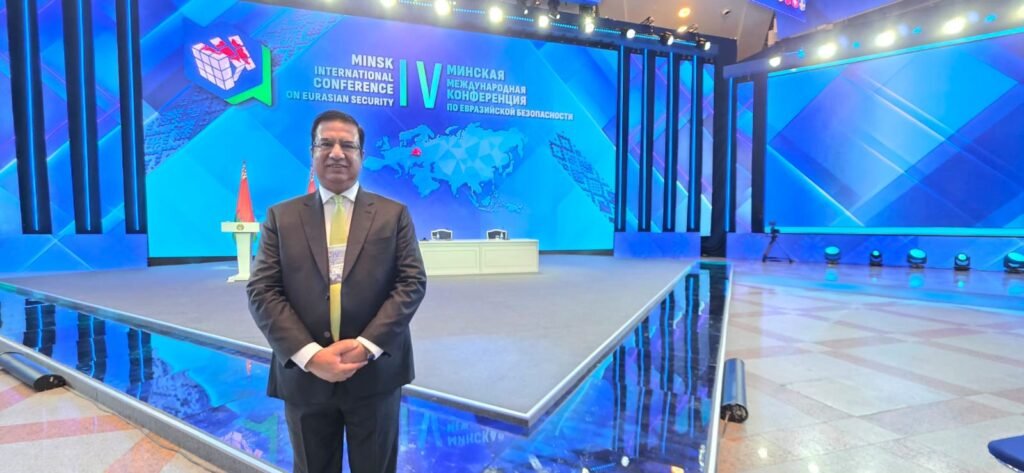
From 3 to 4 November 2026, Mr. Khalid Taimur Akram, Executive Director of the Pakistan Research Center for a Community with Shared Future (PRCCSF), Islamabad, participated in the prestigious IV Minsk International Conference on Eurasian Security, held at Minsk, Belarus. Organized under the theme “Navigating International Disorder in the Spirit of Cooperation: Can We Solve the Eurasian Security Puzzle?”, The conference brought together high-level government officials, foreign ministers, heads and representatives of regional and international organizations, diplomats, institutional leaders, scholars, and security experts from various countries across Asia and Europe. Representatives of Russia, Belarus, China, Myanmar, Kyrgyzstan, Tajikistan, Iran, Kazakhstan, and Turkmenistan, alongside senior officials of the OSCE, CSTO, SCO, and CIS, contributed to the high-level discussions.
The conference served as an international platform for government representatives, diplomatic officials, institutional leaders, researchers, and experts to exchange perspectives on the changing global security environment, regional stability, and international cooperation. It provided an opportunity for participants from different regions to discuss the role of multilateral institutions, diplomatic engagement, and regional partnerships in addressing shared security challenges. Mr. Khalid Taimur Akram’s participation provided an opportunity to engage with high-level international perspectives on Eurasian security, multilateral diplomacy, regional cooperation, and the changing global political and economic landscape. His presence at the conference also reflected PRCCSF’s engagement with international forums and its continued interest in promoting dialogue, mutual understanding, and cooperation among nations.
The opening ceremony and high-level plenary session on 3 November focused on the current global and regional security environment and the efforts of sovereign states and regional organizations to reduce confrontation and promote dialogue and cooperation. The session was moderated by Mr. Ivan Eismont, Chairman of the National State TV and Radio Company. It featured a keynote address by a high-level official of the Republic of Belarus, followed by statements from prominent international leaders and representatives, including:
• H.E. Mr. Sergey Lavrov, Minister of Foreign Affairs of the Russian Federation
• H.E. Mr. Tin Maung Swe, Union Minister of the Ministry of Foreign Affairs of the Republic of the Union of Myanmar
• Mr. Sun Linjiang, Special Representative of the Chinese Government on Eurasian Affairs
• H.E. Mr. Asein Isaev, First Deputy Minister of Foreign Affairs of Kyrgyzstan
• H.E. Mr. Farrukh Hamralizoda, First Deputy Minister of Foreign Affairs of Tajikistan
• H.E. Mr. Feridun Sinirlioğlu, Secretary General of the Organization for Security and Co-operation in Europe (OSCE)
• H.E. Mr. Talatbek Masadykov, Secretary General of the Collective Security Treaty Organization (CSTO)
• H.E. Mr. Nurlan Yermekbayev, Secretary General of the Shanghai Cooperation Organization (SCO)
• H.E. Mr. Sergey Lebedev, Secretary General of the Commonwealth of Independent States (CIS)
• H.E. Mr. Saeed Khatibzadeh, Deputy Foreign Minister and President of the Iranian Foreign Ministry’s Institute for Political and International Studies • H.E. Mr. Yermukhambet Konuspayev, Deputy Minister of Foreign Affairs of Kazakhstan
• H.E. Mr. Ahmet Gurbanov, Deputy Minister of Foreign Affairs of Turkmenistan
• H.E. Mr. Sergei Glazyev, State Secretary of the Union State
The participation of these distinguished representatives reflected the conference’s high-level diplomatic engagement and its focus on strengthening cooperation among countries and regional organizations. For Mr. Khalid Taimur Akram, participation in this plenary session provided an opportunity to follow international policy discussions addressing the changing security architecture and the importance of constructive engagement among states.
On 3 November, the conference also featured a working session titled “Back to the Future (of the Arms Race): Managing Risks,” which examined arms control, strategic stability, and the challenges associated with renewed arms competition. The discussion explored approaches to managing security risks and preventing further international confrontation. Another thematic session, titled “Role of Women in Strengthening International Peace and Security: From Gender Equality to Sustainable World Order,” addressed women’s participation in parliamentary diplomacy, disarmament, non-proliferation, and the broader international peace and security agenda. It also highlighted the role of youth in advancing peace and international cooperation.
On 4 November, Mr. Khalid Taimur Akram continued his participation in the conference programme, which included discussions on collective security, emerging technologies, and Eurasian regional integration. A thematic session titled “The CSTO in Greater Eurasia: Current State and Prospects” examined the role of the Collective Security Treaty Organization in the broader Eurasian security architecture, regional security strategies, and cooperation among member states. Discussions also covered the challenges posed by technological transformation and the need for coordinated approaches to collective security.
Another important working session, titled “Impact of the Future: How Do Emerging Technologies Shape Eurasian Security,” focused on the growing influence of technology on international security. The discussions addressed information and communication technology security, cyberspace governance, artificial intelligence, disinformation, and deepfakes. The session highlighted the importance of developing effective legal frameworks, strengthening digital resilience, and promoting responsible technological development to address emerging security challenges.
The conference also examined regional economic cooperation through a working session titled “Integration of Integrations as the Future of the Eurasian Economic Model.” The discussions focused on geoeconomics, regional integration, supply chain disruptions, trade cooperation, energy security, and the Eurasian Charter of Diversity and Multipolarity in the XXI Century. These themes provided broader perspectives on the relationship between economic cooperation, regional stability, and the evolving international order.
Throughout the conference, Mr. Khalid Taimur Akram had the opportunity to engage with the broader discussions on international security, diplomatic cooperation, regional integration, and emerging global challenges. His participation reflected PRCCSF’s continued engagement with international forums addressing contemporary geopolitical developments and the importance of promoting dialogue, mutual understanding, and cooperation among nations.
The conference concluded on 4 November with remarks by Mr. Maxim Ryzhenkov, Minister of Foreign Affairs of the Republic of Belarus. The concluding session reinforced the importance of diplomatic dialogue, regional partnerships, and collective efforts to address security challenges and strengthen international cooperation.
The IV Minsk International Conference on Eurasian Security brought together prominent political leaders, foreign ministers, senior diplomats, representatives of international organizations, academics, and security specialists from different parts of the world. Mr. Khalid Taimur Akram’s participation provided an opportunity to gain insights into international perspectives on Eurasian security and engage with discussions concerning multilateral diplomacy, regional stability, economic cooperation, and technological developments.
The conference highlighted the importance of reducing international tensions, rebuilding confidence, strengthening regional security mechanisms, and promoting constructive dialogue. Mr. Khalid Taimur Akram’s participation reflected his continued engagement with international affairs and commitment to promoting mutual understanding, international cooperation, and a Community with Shared Future through dialogue and people-to-people connections.