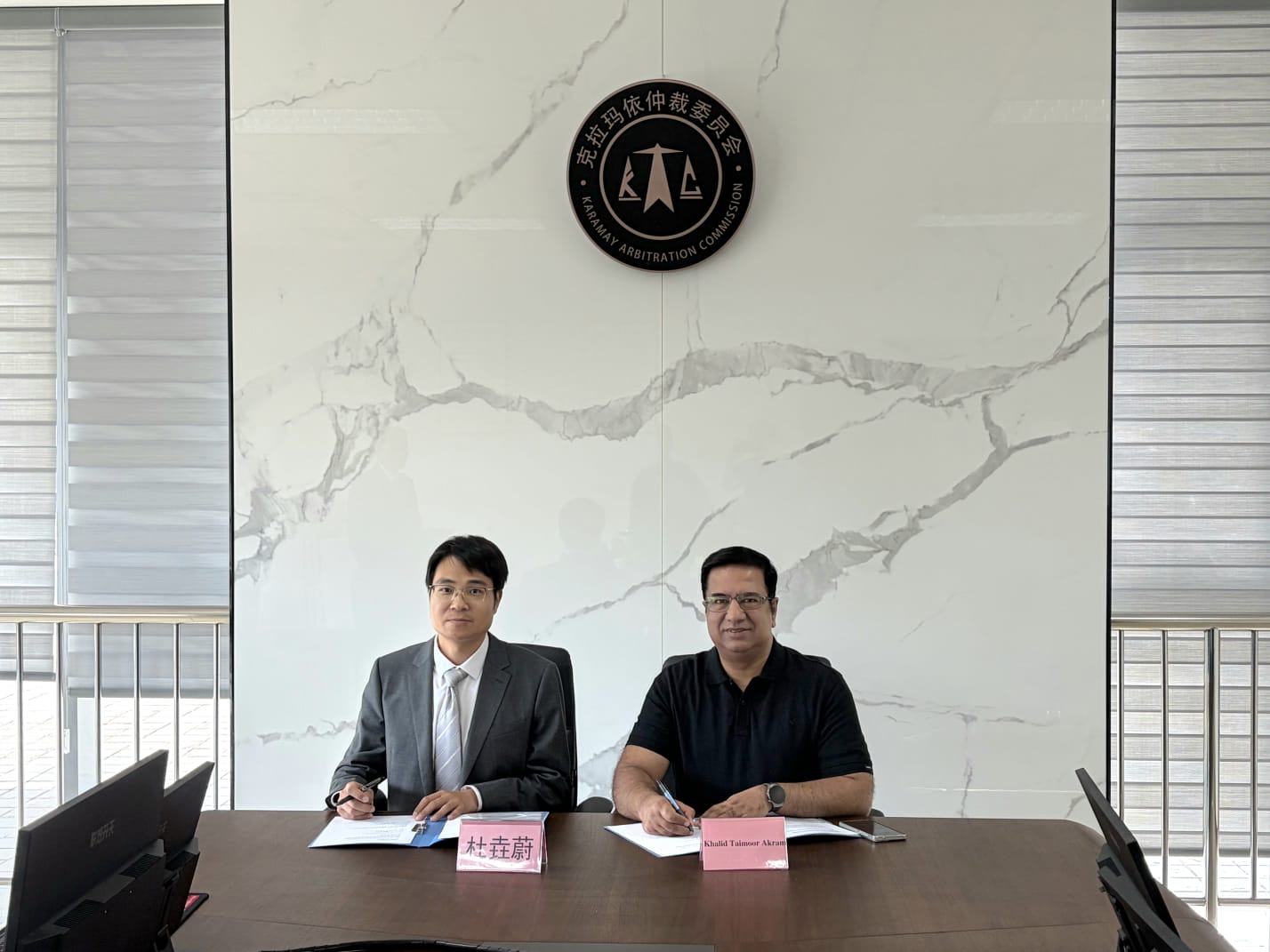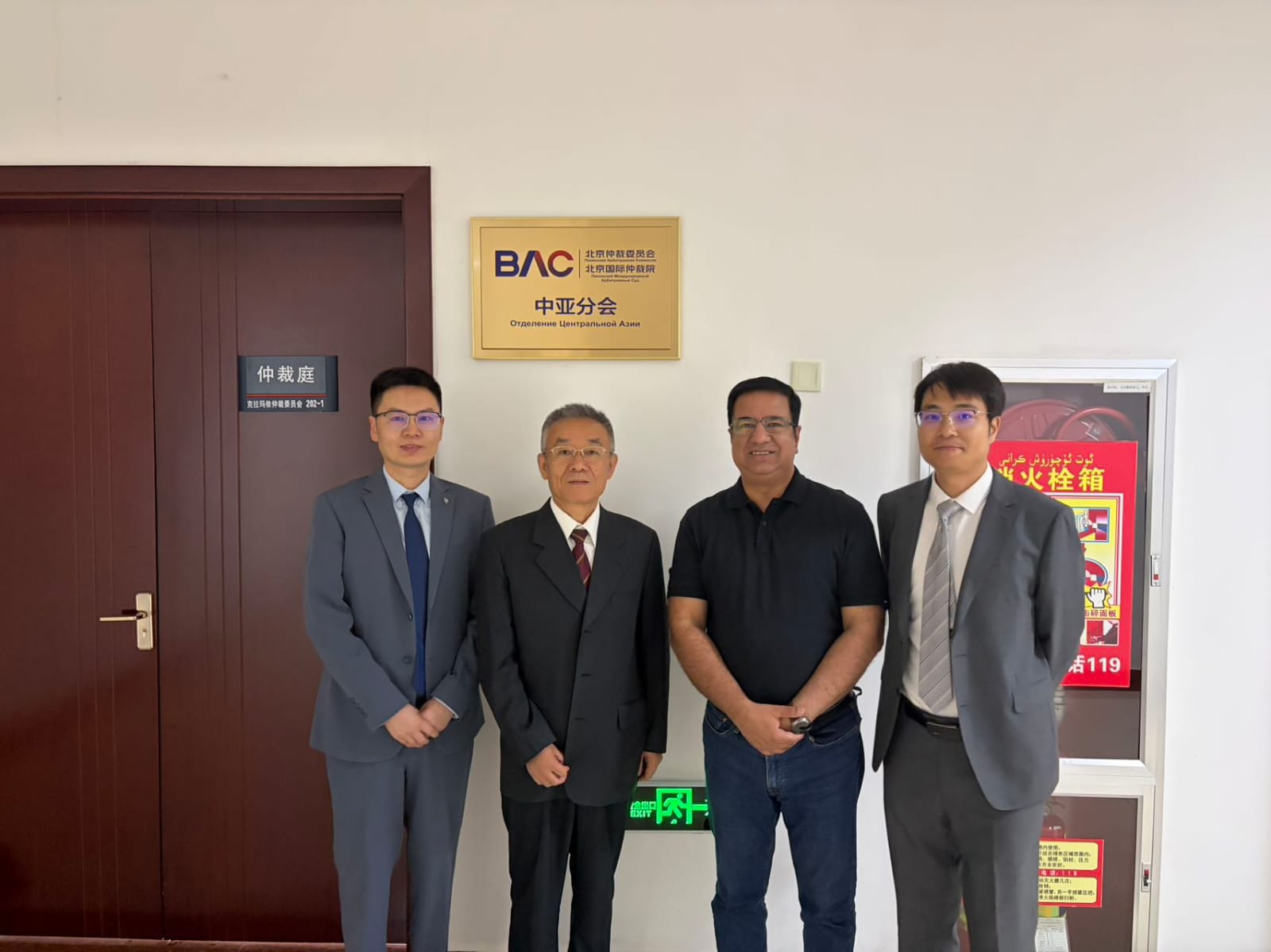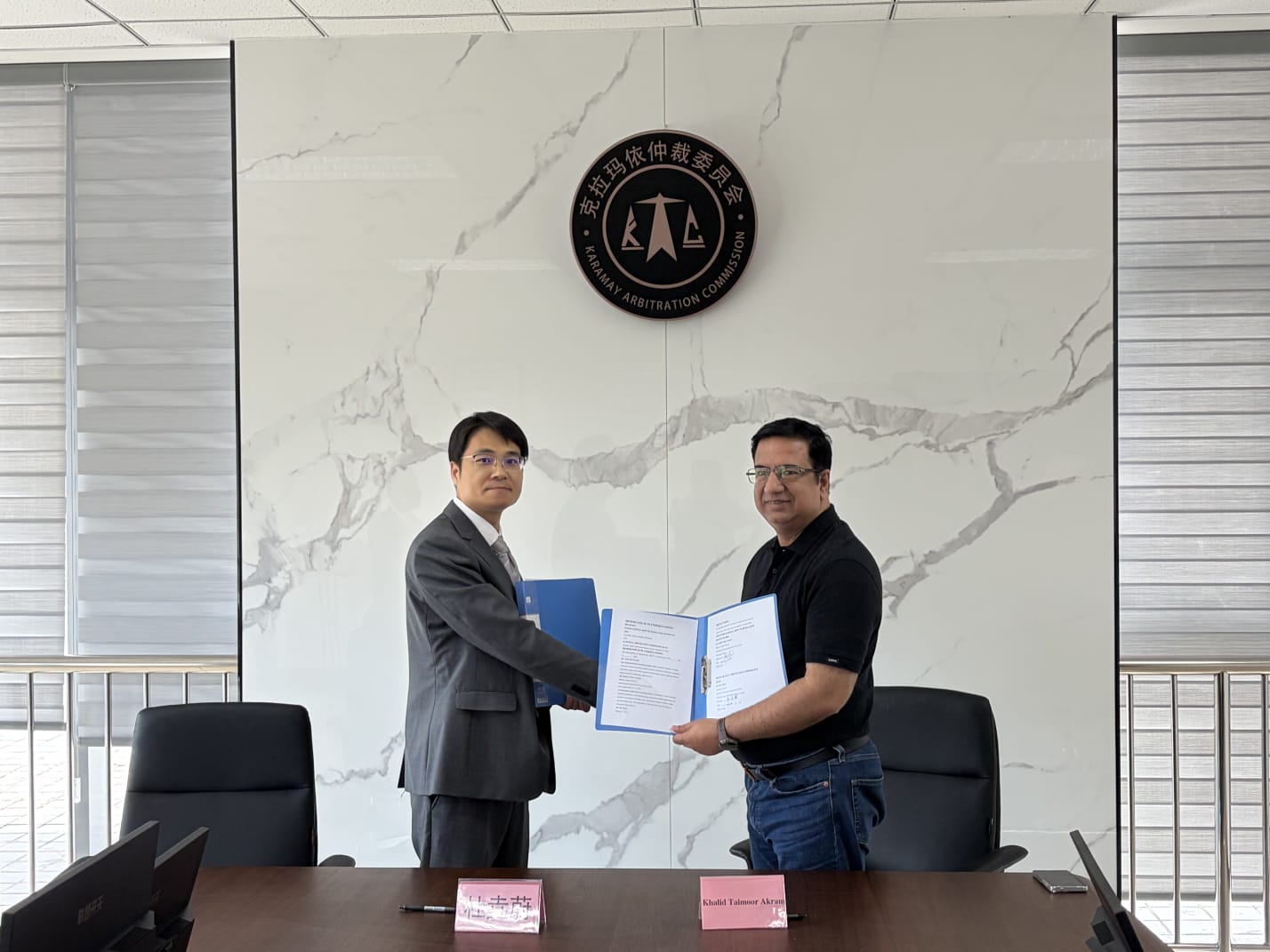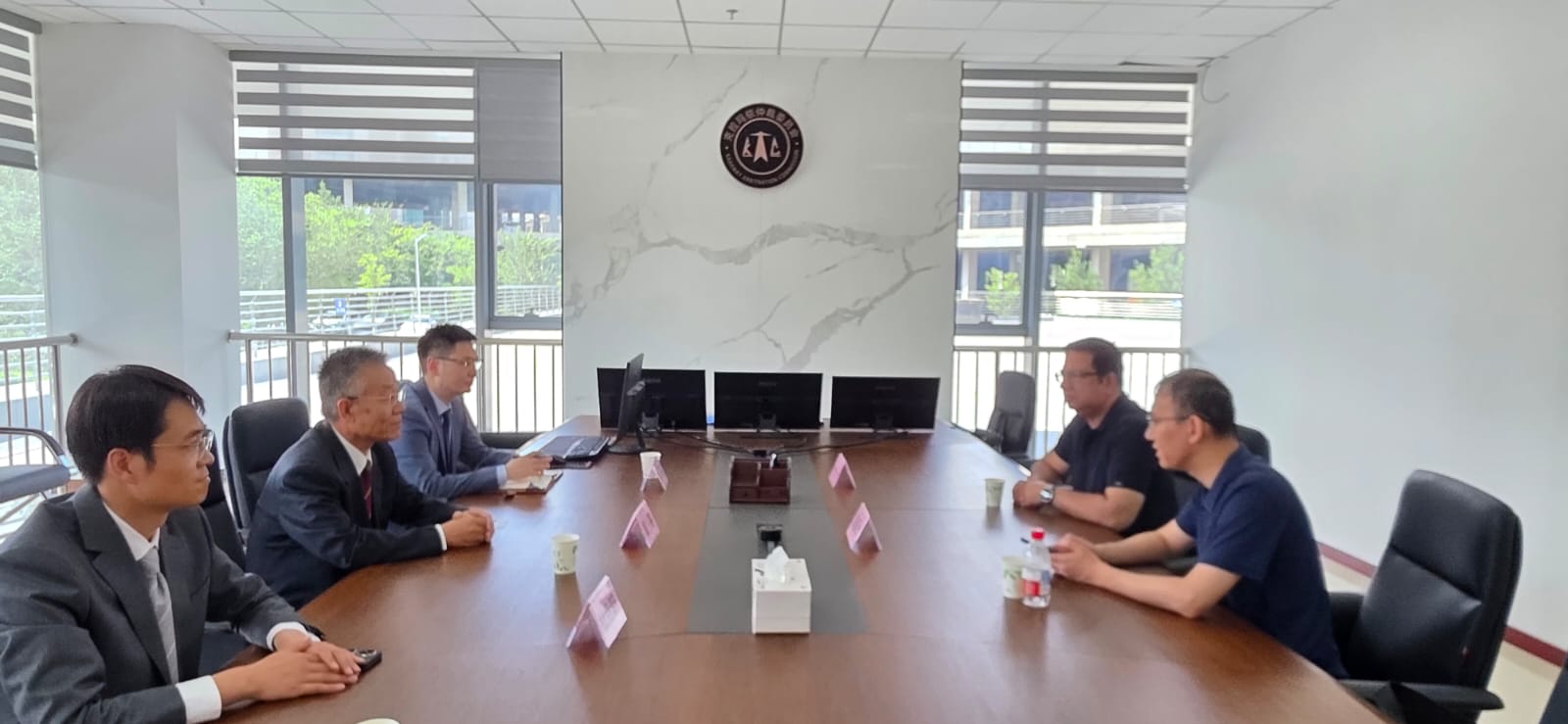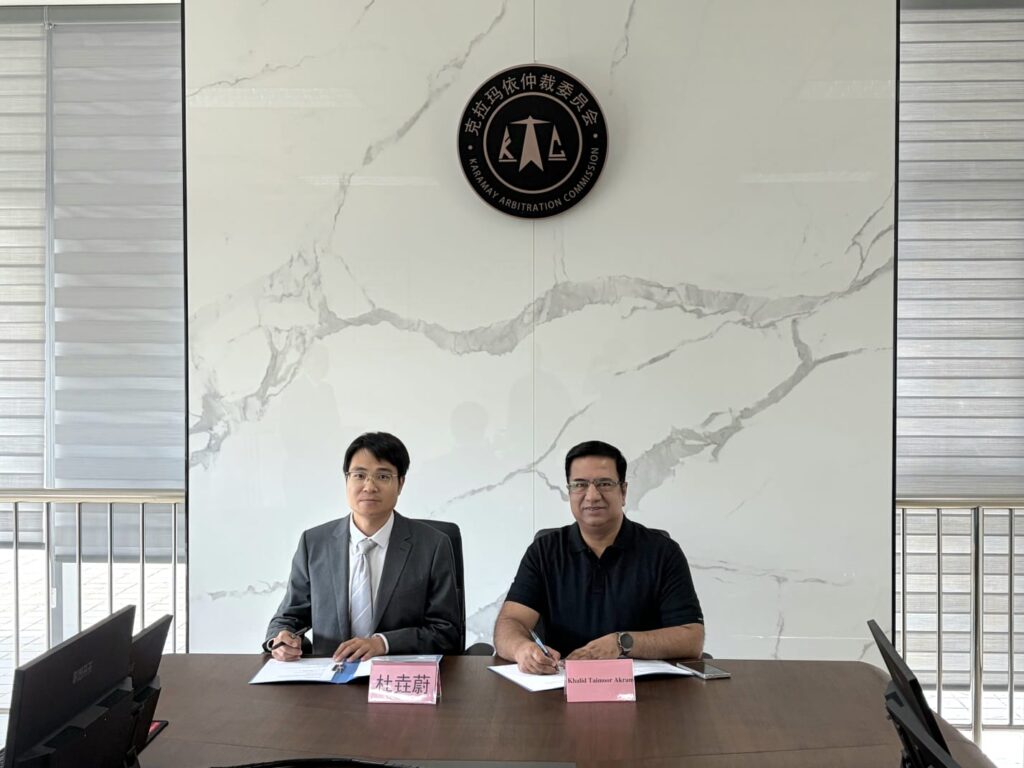
On 12 June 2026, the International Dispute Resolution Institute (IDI) signed a Memorandum of Understanding (MoU) with the Karamay Arbitration Commission (KAC), China, a regional arbitration institution based in Karamay, Xinjiang, established to resolve civil and commercial disputes through legally binding arbitration. The Commission primarily handles trade, investment, construction, and energy-related disputes, particularly those linked to Karamay’s oil and industrial sectors.
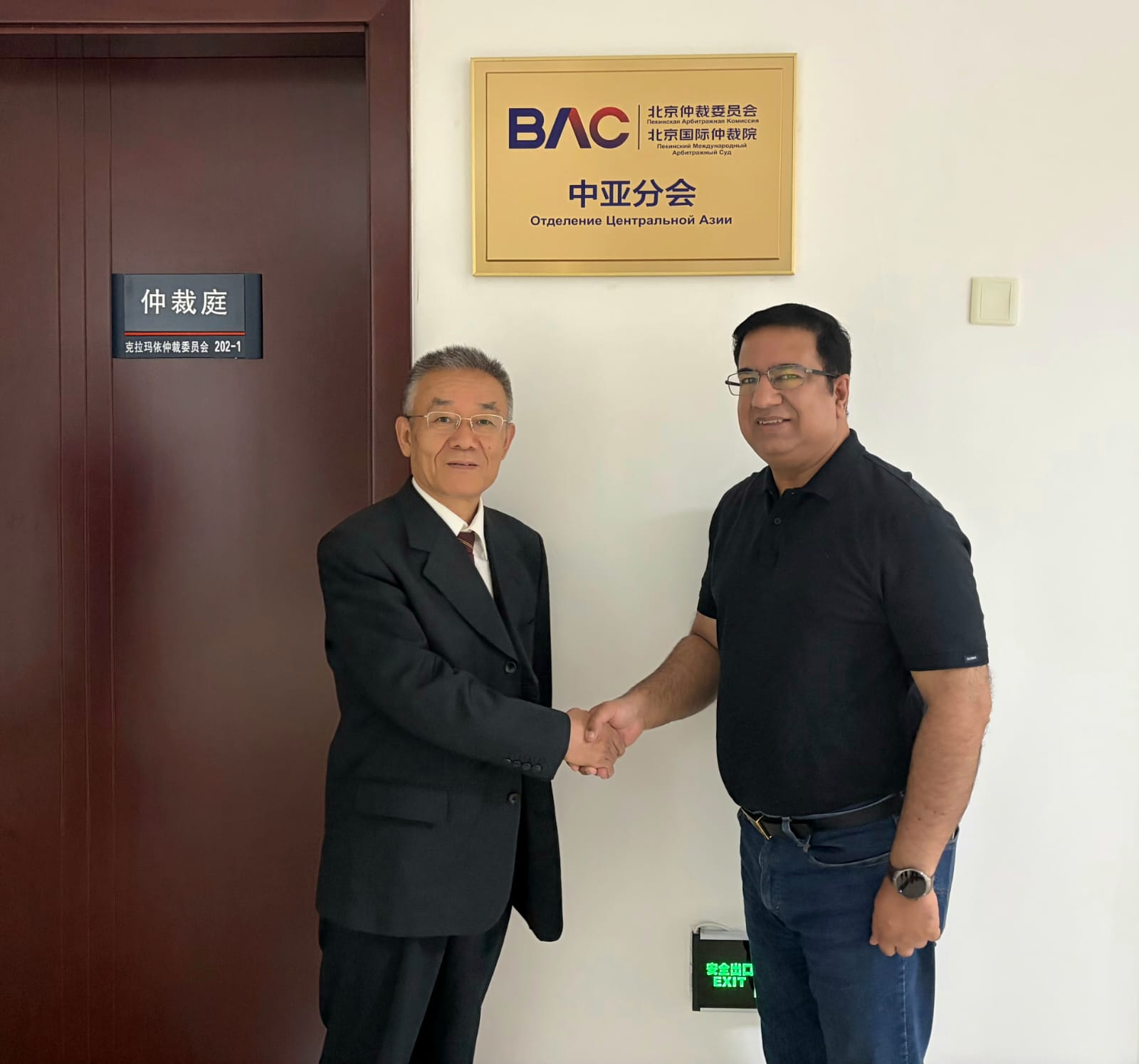
The MoU was signed in the presence and facilitation of Mr. Du Yaowei, Secretary-General of the Karamay Arbitration Commission, reflecting the Commission’s continued commitment to international cooperation and its growing role as a regional arbitration hub in Xinjiang and beyond. Representing IDI, Mr. Khalid Taimur Akram signed the agreement, reinforcing IDI’s vision of strengthening institutional linkages under the Belt and Road Initiative and enhancing cross-border legal cooperation between Pakistan and China.
The Karamay Arbitration Commission, described as a Chinese government-supported arbitration mechanism for neighbouring and Belt and Road countries, also made Mr. Khalid Taimur Akram an arbitration member and formalized an agreement of cooperation. The Xinjiang Uygur Autonomous Region of China shares land borders with Pakistan, Tajikistan, Kyrgyzstan, Kazakhstan, Afghanistan, Mongolia, Russia, and India, and the Commission is engaged in handling Chinese B2B and cross-border commercial disputes involving these land-connected countries.
This agreement marks a significant milestone in IDI’s expanding international partnerships across China and Central Asia. It establishes a forward-looking cooperation framework aimed at strengthening institutional arbitration, improving cross-border dispute resolution mechanisms, and promoting legal collaboration between the two institutions. The Karamay Arbitration Commission, which also plays a role in facilitating arbitration for regional and cross-border commercial disputes, continues to expand its international engagement across Eurasia, including cooperation with neighboring countries connected through Xinjiang’s strategic geographic location.
Through this MoU, both institutions have agreed to explore cooperation in institutional arbitration development, capacity-building and training programs, academic and professional exchange initiatives, and the promotion of Alternative Dispute Resolution (ADR) frameworks within China–Pakistan legal and economic corridors. This partnership is expected to contribute meaningfully to strengthening modern arbitration practices, legal innovation, and sustainable economic cooperation across the wider region.